Spokane in World War Two
World War Two was pivotal for Spokane and the Inland Northwest. The U.S. Military viewed the region as strategically valuable, so existing military facilities, including Fort George Wright and Felts Field were expanded. Thousands of American soldiers came into the area for training, including bomber pilots and crews at Geiger Field and submarine crews at Farragut. New supply depots were built, including the Spokane Army Air Depot which was renamed Fairchild Airforce Base following the war, and Velox one of the nation’s only inland naval supply depots in the Spokane Valley.
Local industries and businesses did all they could to support the war effort. Local aluminum from Kaiser was used to produce parts for the B-17 and the P-51, two of the Army Airforces primary aircraft during the war, and magnesite from Chewelah became a vital resource for producing steel. Spokanites and others around the inland northwest worked tirelessly to support the war, despite constant fears that the military presence could bring air raids. Hometown heroes joined the military to fight against tyranny in Europe and the Pacific.
The war also brought controversy to the area. The federal government feared that Japanese citizens would be loyal to Japan, so leaders of the local Issei/Japanese-American community were arrested and detained by the FBI. Axis POWs were brought to camps in Washington and used as a labor force. Local efforts to maintain morale were not always successful and some resulted in disaster.
Sponsored by the Northwest Museum of Arts and Culture as an extension of the American Inheritance: Unpacking World War II exhibit. The Spokane in World War 2 Tour incorporates existing Spokane Historical stories as well as new stories from students of Dr. Cebula’s Nearby History course, which was co-taught with Freya Liggett, the History Curator at the museum. Students collaborated with the museum to research artifacts in the collection and write about them for the exhibit. Several of the new stories are directly related to the artifacts the students researched and expand upon those themes, others are additional stories not touched upon within the physical exhibit.
Stories 22

The Evolution of Sunset Field: How the United States Military Repurposed Spokane’s Airfield
When the United States was pulled into World War Two thousands of American businesses were repurposed to better support the war effort. It was this direct response to an overseas threat that influenced the War Department to purchase and rename Spokane’s famous “Sunset Field.”
Felts Field
Felts Field is not only the oldest airport in the Spokane area but is also one of the oldest federally designated airstrips in the country. Located near Rutter and Fancher and along the banks of…
Spokane Army Air Depot: The Birth of Fairchild
What is now Fairchild Airforce Base originated as an Army Air Supply and Repair Depot to service the other airfields around Spokane and in the Pacific Northwest.
Idaho's Submarine Fleet: Acoustic Development Research Center
When Farragut Naval Training Station was built near Bayview, Idaho in the 1940's, the soldiers were not the only new arrival. Idaho gained it's first submarine fleet that is still active today.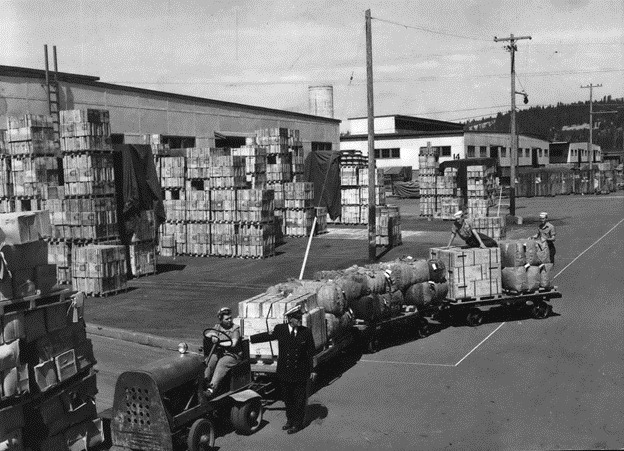
The Velox Naval Depot: Spokane’s Naval Supplier--Three Hundred Miles From The Shore.
Washington was an important location for the Navy during World War Two, with both its Pacific ports and its expensive rail network. The Velox Naval Supply Depot was a massive complex, designed to both store and move supplies to the coast when needed, and was placed so far inland to help protect it from potential attacks.
WWII Convalescent Hospital
Training for combat at Fort George Wright gave way to recovery and recuperation during the Second World War. In 1941, Fort Wright had changed hands and become part of the United States Army Air…
Baxter Hospital: Mercy on a Grand Scale
Called the City of Mercy and containing more than 2000 beds this hospital was its own self-contained community.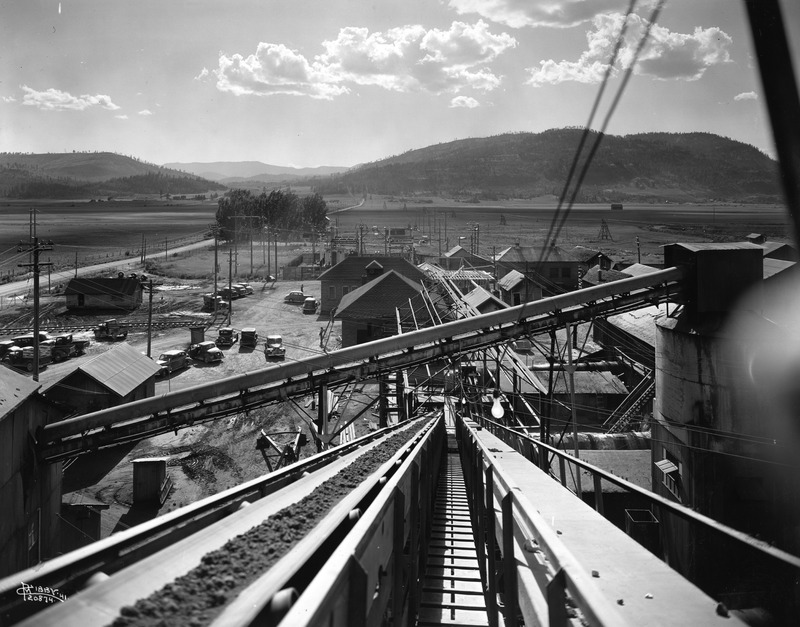
The Magnesite of Chewelah: The backbone of two world wars
The Northwestern Magnesite Company, with its main processing plant just south of Chewelah, Washington and various mines and quarries in Northeastern Washington, helped supply a majority of the nation’s magnesite which used to be an integral component in the production of steel.
Brown Industries: From Sheet Metal to Airplanes
Brown Metal Works started as a sheet metal production business but during World War 2 the Brown Brothers' passion for aviation led to shifting the companies focus.
Trentwood Kaiser Aluminum Rolling Plant
The economy of Washington is tightly connected to the vast hydroelectric development of the state. During the Great Depression of the 1930s, the federal government laid the framework for a series of…
USO Clubs in Spokane: A Soldiers Home Away From Home
As the Second World War raged on soldiers returning home on leave or based in the states needed recreational centers to destress. Black soldiers did not always feel welcome in USO clubs so separate USO facilities like the George Washington Carver Club were founded.
Spokane Fire Station No. 17: Time of War
Though the United States was not yet officially involved in the Second World War until December of 1941, the Spokane Fire Department established Station No. 17, located at Felts Field, for military…
Arrests at the Desert Hotel
Sumi Yoshida and Joe Okamoto thought that December 7, 1941 was supposed a day that would live forever—in celebration. It was on that day the Japanese-American couple planned their wedding at the…
A Japanese Quaker Wedding in Spokane, WA
On a warm August day, Japanese-American pacifist and civil rights activist Gordon Hirabayashi made headlines, marrying his college sweetheart, Esther Schmoe, in a simple Quaker ceremony at Spokane’s…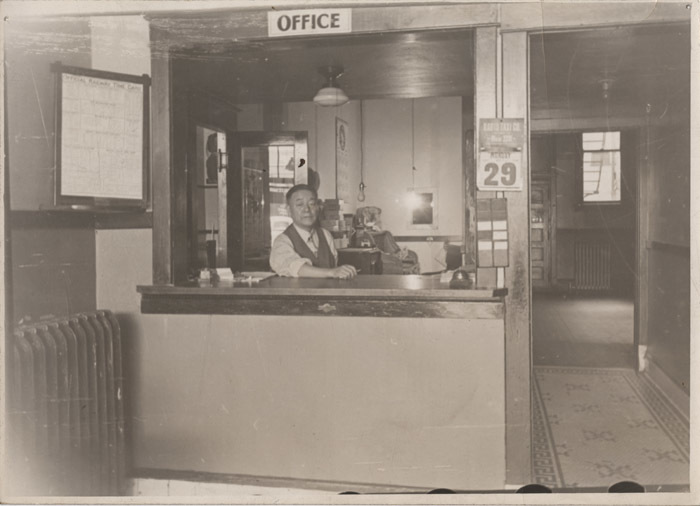
The Unlawful Arrest and Detainment of Frank Hirata: Japanese Hotel Owner Apprehended in Connection to Pearl Harbor
The FBI arrested and detained Frank Hirata, Japanese community leader and owner of the Clem Hotel, in possible connection to 1941 bombing in Hawaii.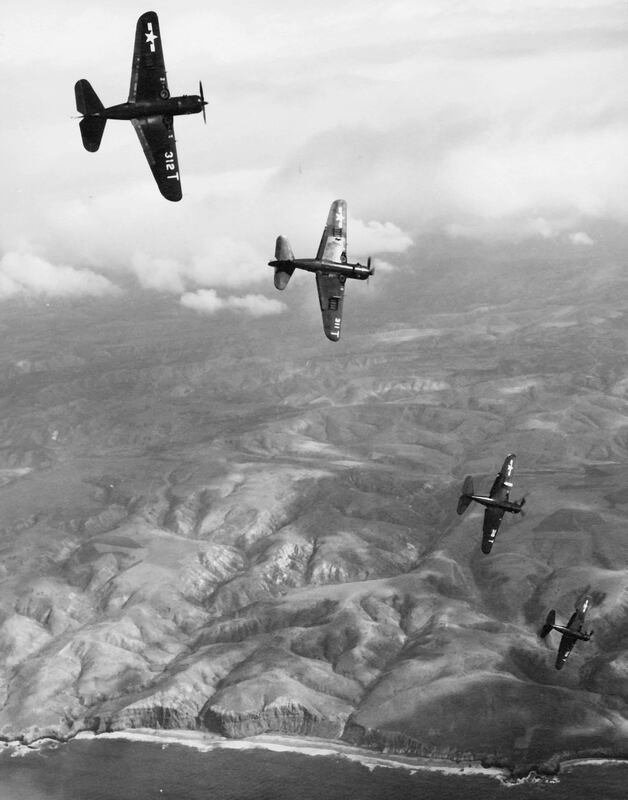
World War II Airshow Catastrophe: Horror Rode the Skies Crashing Down to Earth
For a crowd of 100,000 in the Inland Northwest a war show became a little too real when two airplanes crashed and exploded.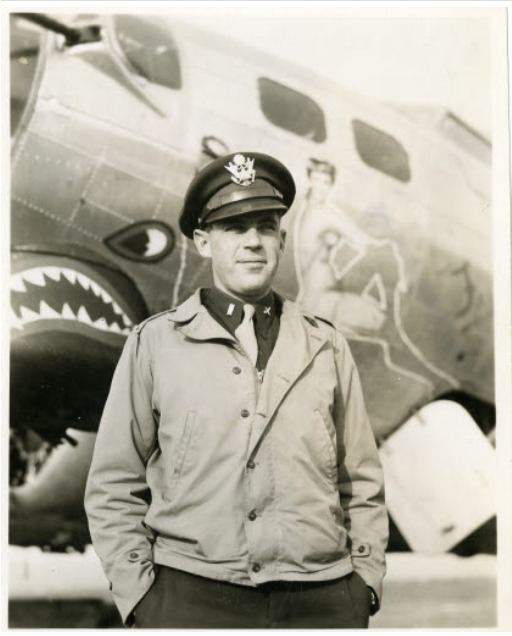
James Wesley Crow: One Mans War
James Wesley Crow was born in Gooding, Idaho enlisted in the Army AirCorps during World War II. After his tour, James retired from the military and became an inventor of a seed separating device and started his own business called “Crow and Company”.
Spokane’s Red Tail: Spit Fire, Jack D. Holsclaw
Born and raised in Spokane, Jack D. Holsclaw spent World War II flying as a Tuskegee airman.
What Happened to Allan C. Powell: The Lost Powell Son
Alan Campbell Powell flew a dangerous mission over enemy territory in World War II--and never returned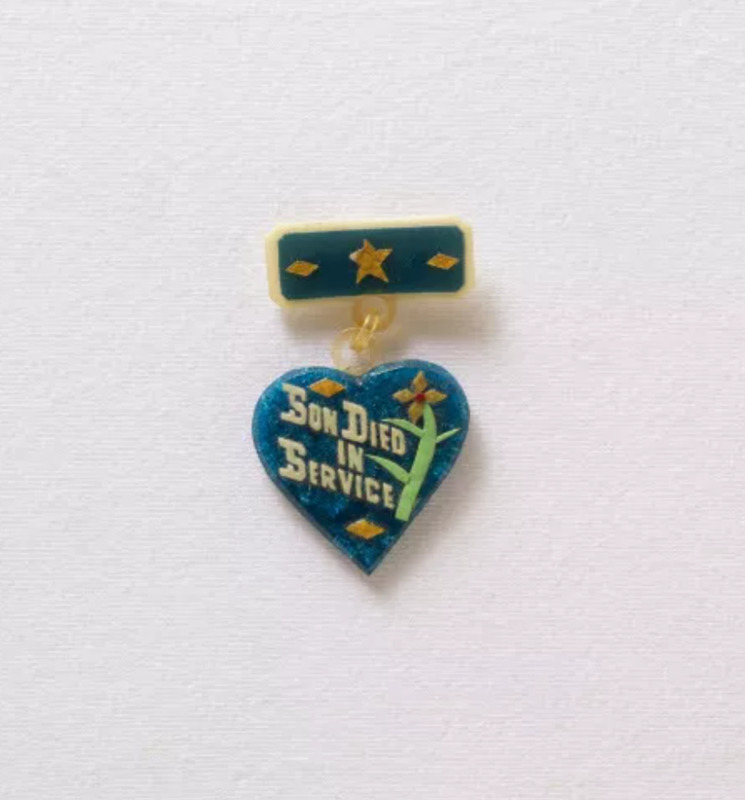
Spokane's Gold Star Mothers: Some Spokane mothers gave their all to the war effort, and not every son returned
Wilmer Evers died in a Prisoner Of War camp in the Philippines during World War Two. His mother was given a gold star pin to honor the sacrifice her son made for his country.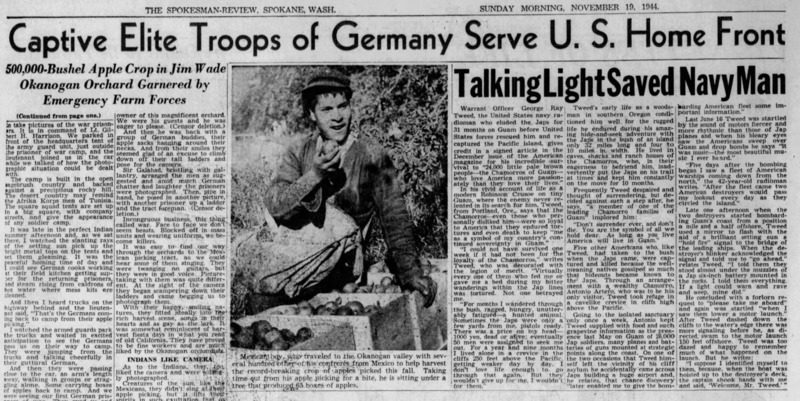
Prisoners of War Camps: Axis POWs in the Inland Northwest
As the Second World War progressed, Americans captured many Axis prisoners--particularly in Europe. What to do with these men?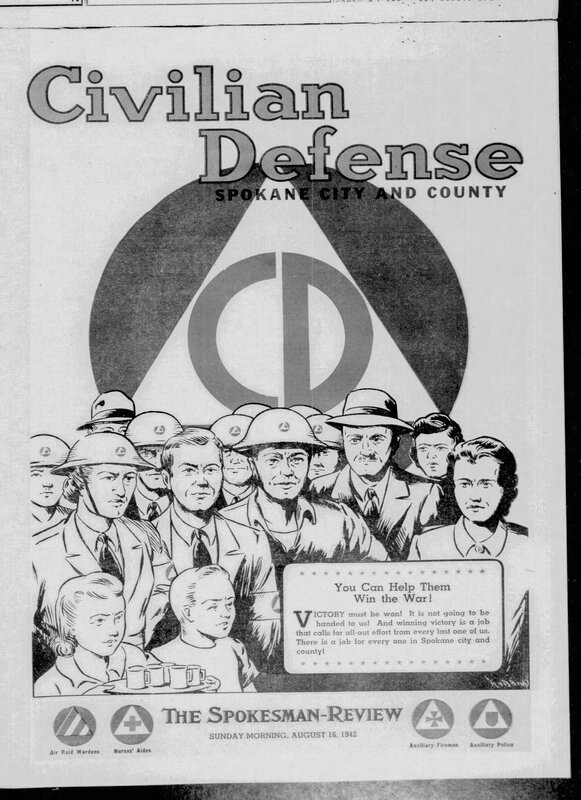
Air Raid Preparation: How Spokane Protected Citizens During World War Two
During World War Two the United States took measures to ensure civilian safety, which included the creation of the Office of Civilian Defense. The Spokane Office of Civilian Defense helped protect civilians in case of attack and kept up support for the war.Tour curated by: Devrick Barnett and the Northwest Museum of Arts and Culture | Sponsored by the Northwest Museum of Arts and Culture